
Thinking about weed in Split? This Split cannabis guide gives travelers practical information about the law, safety, medical cannabis, and responsible behavior. Cannabis rules can change, so check current official guidance before traveling.
Cannabis laws in Croatia
Cannabis is regulated by the laws of Croatia. Rules can cover possession, use, cultivation, supply, public consumption, driving, and travel across borders. Visitors should never assume that rules from another country apply in Croatia, or that online claims are current.
Before your trip, use official government or legal sources to confirm the rules that apply to your circumstances. Penalties can depend on the substance, quantity, location, and circumstances.
What travelers should know in Split
Tourists should be careful in public places, accommodation, transport hubs, nightlife areas, and other busy locations. Hotels and holiday rentals can have their own rules. Do not treat tolerance in one location as permission to consume everywhere.
Do not carry cannabis across an international border. Permission to possess or use cannabis in one country does not automatically permit import or export. Transit countries can have separate requirements.
Public use and travel safety
Never drive, cycle, or operate machinery while impaired. Cannabis may affect reaction time, attention, judgment, and coordination. Where consumption is lawful, follow local restrictions and avoid mixing intoxicating substances.
Protect your personal safety by avoiding unknown products and unsolicited offers. Be cautious of scams and pressure in nightlife settings. If you become unwell after consuming a substance, seek medical help rather than taking more.
Medical cannabis and CBD
Medical cannabis and CBD can be regulated differently from recreational cannabis. A product that is lawful at home may not be lawful in Croatia. Travelers carrying prescribed medication should confirm requirements with the relevant authorities before departure, including rules in transit countries.
Responsible travel in Split
Respect local laws, accommodation policies, public-space rules, and other people. Keep cannabis away from children, do not share unknown products, and avoid behavior that disturbs residents or visitors. Responsible tourism means enjoying Split while reducing legal, health, and safety risks.
Frequently asked questions
Is weed legal in Split?
The rules are determined by the laws of Croatia. Do not assume cannabis is legal because it is discussed online or because another destination has more permissive rules.
Can tourists bring cannabis into Croatia?
Do not bring cannabis across an international border unless you have confirmed that the specific product and circumstances are expressly permitted by the relevant authorities.
Can I use cannabis in public?
Public-use rules vary by jurisdiction and location. Check current local rules and follow restrictions in streets, parks, transport areas, accommodation, and other public places.
What if I need medical cannabis?
Check official requirements before traveling. A prescription from another country may not automatically authorize possession or use at your destination.
Travel responsibly
Split is best enjoyed by respecting local rules and the people who live there. This guide is general educational information, not legal or medical advice. Verify current requirements with official authorities before making travel or health decisions.
Local travel context in Split
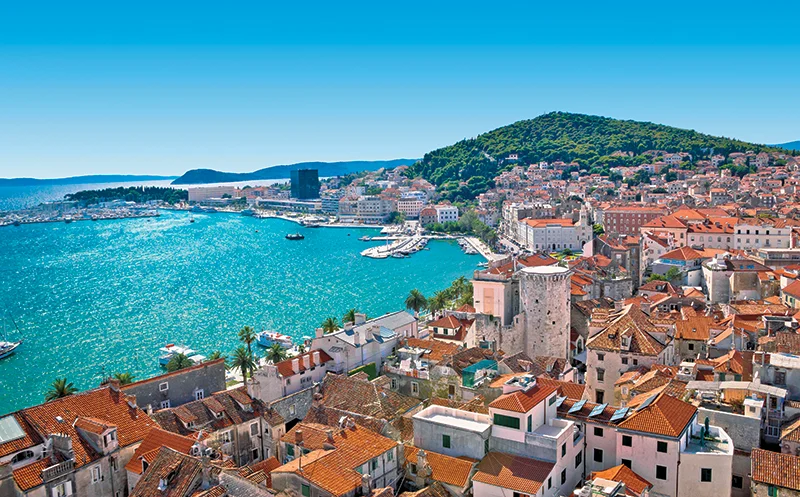
A Dalmatian coastal city built around Diocletian’s Palace, with a busy waterfront and access to islands and mountain landscapes.
The historic centre and Riva promenade are ideal for walking, while ferries make nearby islands practical day-trip options. Marjan Hill provides a quieter outdoor alternative close to the city.
Practical considerations for visitors
Summer traffic and ferry demand can be heavy, so book important connections ahead. Choose accommodation based on access to the old town or transport, and verify current Croatian rules before travelling.
Related Croatia city guides
Planning a wider trip? These related guides can help you compare cannabis laws, travel considerations, and local rules across Croatia.
