
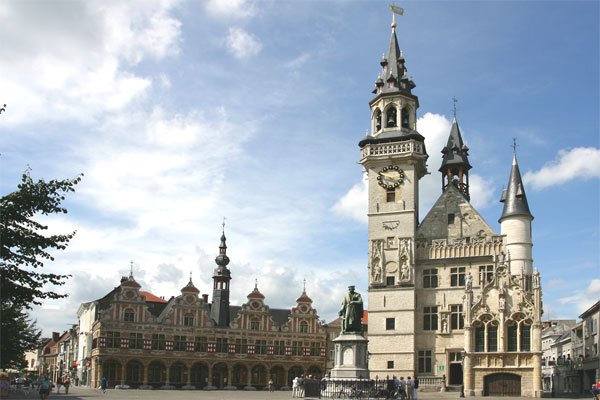
Weed in Aalst is a topic many visitors research before traveling to this historic city and municipality in East Flanders, Belgium. Aalst sits along the Dender River about 31 kilometers northwest of Brussels. Known for its UNESCO-recognized belfry, lively carnival traditions, cafés, and convenient rail connections, Aalst attracts visitors throughout the year. If you are researching weed in Aalst, the most important thing to understand is that Belgium does not treat it as a freely legal recreational product. Rules can change, and visitors should always check official Belgian sources before making decisions.
Cannabis laws in Aalst and Belgium
Belgian law prohibits cannabis. Although authorities may give lower enforcement priority to some cases involving a small amount for personal use, this does not make cannabis legal or eliminate the risks of possession. Police may confiscate the substance, record the incident, or refer the matter to judicial authorities. The exact consequences can depend on the quantity, the circumstances, prior offenses, public nuisance, and whether other people take part.
Possession, sale, supply, cultivation, and importation can all create serious legal problems. A quantity that appears small may still lead to enforcement action, particularly if it relates to public dealing, driving, violence, minors, or other prohibited conduct. Buying cannabis from an unknown person also carries safety, fraud, and legal risks. Aalst does not have a regulated recreational cannabis retail system comparable to licensed dispensary models in some other countries.
Medical cannabis and prescription products
Medical cannabis follows separate rules. Authorized medical channels may provide certain cannabis-based medicines, but availability depends on the product, the indication, and a prescription or other formal medical requirement. Travelers who use prescribed cannabis medicines should carry the original packaging and relevant documentation, and should verify Belgium’s entry and transport requirements before traveling. A prescription from another country does not automatically authorize possession or use in Belgium.
Where to get reliable information about weed in Aalst
For current guidance about Weed in Aalst, consult Belgian government information, official customs guidance, a licensed doctor, or a pharmacist. Avoid social media posts, anonymous messages, street sellers, and websites that promise delivery. These sources may provide outdated legal information, counterfeit products, or unsafe substances. Never share personal identification, banking details, or travel information with an unknown seller.
Travelers planning a wider European itinerary may also want to review the legal and safety considerations in Paris and Marseille before crossing borders or changing destinations.
Public use and responsible behavior
Using cannabis in streets, parks, train stations, nightlife areas, or other public places can attract attention and may prompt police intervention. Smoking can also breach local rules, venue policies, or restrictions relating to public nuisance. Keep shared spaces clean, respect residents and other visitors, and do not involve minors. Do not drive, cycle, or operate equipment after consuming cannabis. Impairment can affect reaction time, judgment, and coordination, even when a person feels accustomed to the effects.
Traveling through Aalst
Aalst is well connected by train and road, making it easy to visit from Brussels, Ghent, and nearby towns. Do not carry cannabis across borders, through stations, or onto public transport. Authorities may treat import and export offenses more seriously than simple possession. Even if another country allows a product, that does not necessarily make it lawful to bring into Belgium. Before traveling, check the latest customs and public-health guidance for every country on your route.
Health and safety considerations
Cannabis can affect memory, attention, balance, anxiety, and perception. Effects may feel stronger than expected when a product has high THC content or when a person combines it with alcohol, sedatives, or other drugs. Edibles can take longer to produce effects and may lead to accidental overconsumption. If someone becomes extremely confused, has trouble breathing, experiences chest pain, loses consciousness, or appears to face immediate danger, contact emergency services. Do not leave an unwell person alone.
FAQ about weed in Aalst
Is recreational cannabis legal in Aalst?
No. Belgian law prohibits cannabis in Aalst and throughout Belgium. Limited enforcement priorities for some minor personal-possession situations should not be confused with legalization.
Can visitors buy cannabis from a shop in Aalst?
Aalst has no regulated recreational dispensary system. Buying from street sellers or anonymous online contacts can expose you to legal, financial, and health risks.
Can I smoke cannabis in a park or near the train station?
Public use can lead to police attention, confiscation, fines, or other consequences. Public-space rules and local enforcement may vary, so the safest approach is not to use prohibited substances in public.
Can I bring medical cannabis to Aalst?
Only if the product and your travel arrangements comply with Belgian requirements. Contact the relevant Belgian authorities before departure, keep medication in its original packaging, and carry supporting medical documents.
Can I take cannabis from Belgium to another country?
You should not carry cannabis across an international border. Import and export laws can be strict, and a product obtained in Belgium may still be illegal at your destination or in transit.
What should I do if I am unsure about the law?
For anyone searching for Weed in Aalst, the safest approach is to check current information from Belgian government or customs sources, or ask a qualified Belgian lawyer, doctor, or pharmacist. Do not rely on outdated travel blogs or anonymous sellers.
Final advice
Aalst offers plenty to explore without taking unnecessary legal or safety risks. Treat cannabis as a controlled substance, avoid unverified sellers, never drive while impaired, and confirm the current rules before traveling. Laws and enforcement practices can change, so official Belgian guidance should always take priority over general travel information.

